The Three Queens
Mary Thomas, Axeline Salomon and Mathilda McBean are remembered as leaders of the 1878 Fireburn labor revolt on St. Croix. Our distillery carries their names.
Resistance after emancipation.
Slavery had formally ended in 1848, but restrictive labor laws kept plantation workers tied to a system of low wages and limited freedom. Thirty years later, that system erupted.
Mary Thomas
Remembered as one of the most prominent women of the Fireburn. Her name became a symbol of resistance in the Virgin Islands.
Axeline Salomon
One of the women identified with the leadership and memory of the uprising on St. Croix.
Mathilda McBean
Remembered alongside Mary Thomas and Axeline Salomon as one of the Three Queens of the Fireburn.
The Fireburn
Contract Day was the one day each year when plantation workers could change employers. In 1878, anger over wages, working conditions and the post-emancipation labor system boiled over in Frederiksted.
What followed became known as the Fireburn. Laborers attacked symbols of plantation power and set fire to properties across the island. The uprising became one of the defining events in the history of the Virgin Islands.
A Virgin Islands story.
3 Queens is a St. Thomas distillery, while the Fireburn happened on St. Croix. We chose the name because the story belongs to the wider history of the Virgin Islands and because the three women represent strength, resistance and the refusal to accept the conditions imposed on them.
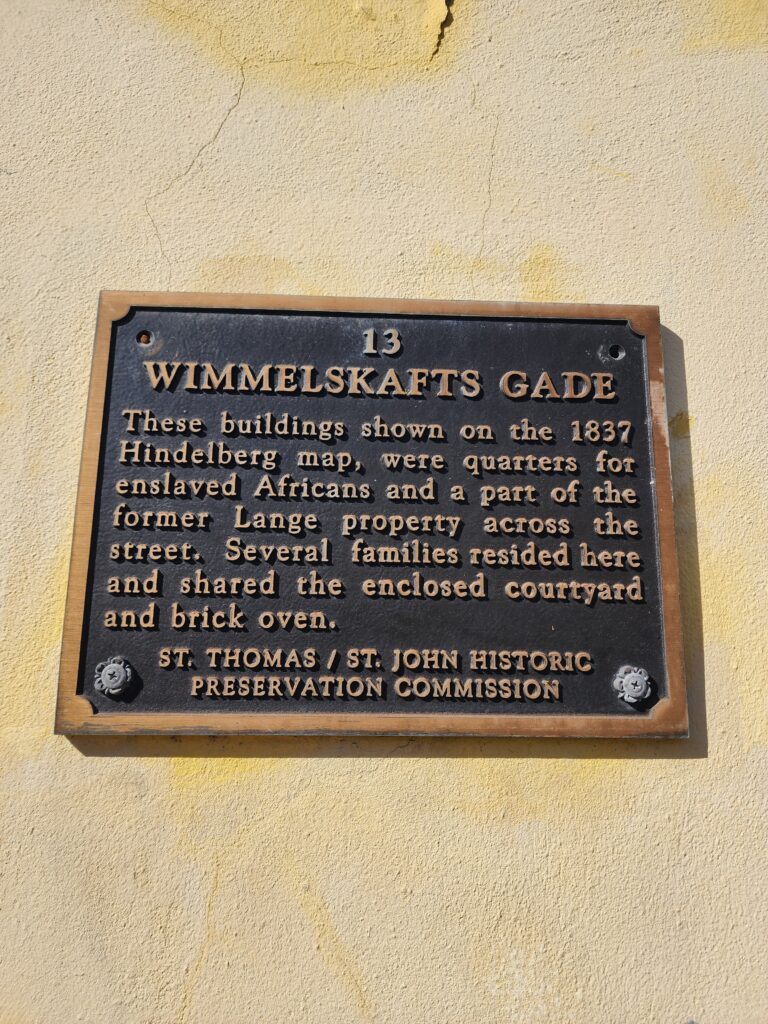
The name also connects naturally to the history of our own building, where enslaved people once lived and where we now interpret that history for visitors.