The History of the Property
The building that houses 3 Queens Distillery is an old Danish colonial-era slave house in the historic center of Charlotte Amalie.
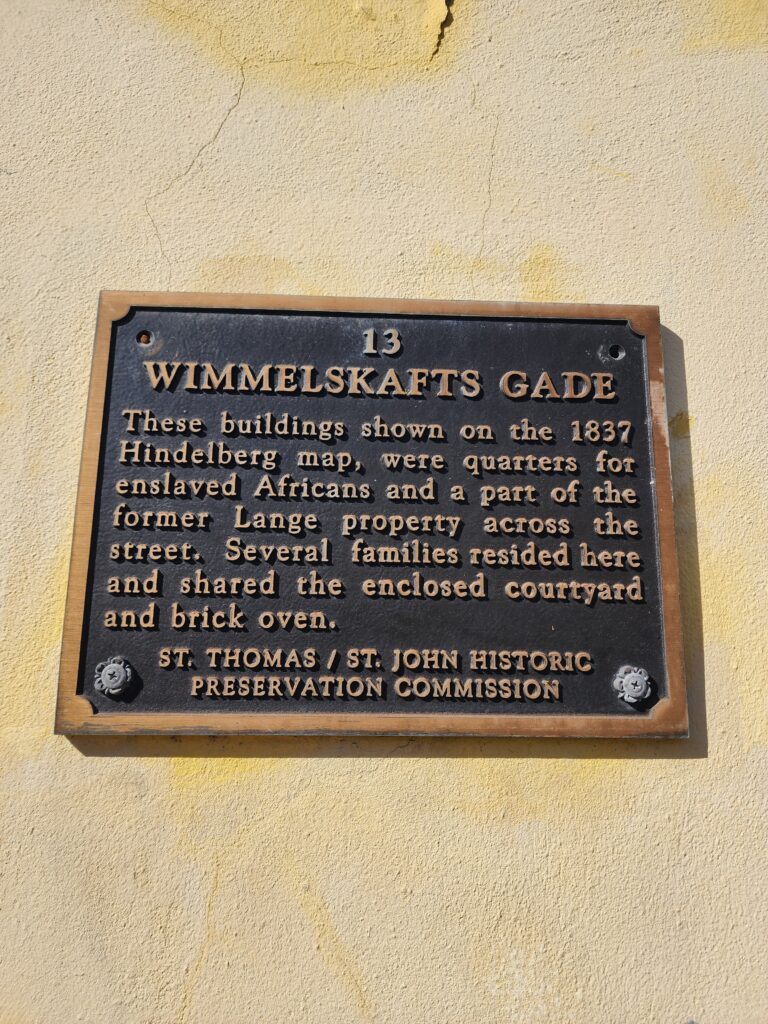
13 Wimmelskafts Gade
The property sits on Back Street in the heart of historic Charlotte Amalie. It formed part of the Danish colonial town and included quarters used by enslaved Africans connected to the estate.
Much of the visitor experience at 3 Queens is built around the fact that the historic structure is still here: stone walls, old rooms, courtyards, artifacts and layers of later use.
We are continuing to restore the property while using it as a working distillery, museum and gathering place.
Spirits were being made here long before us.
Our history of the property includes the enslaved people who lived here making their own moonshine, rum and bush liquor long before anyone used the phrase “craft distillery.”
That part of the story matters to us. Alcohol in the Caribbean was not only a commercial plantation product. Small-scale fermentation and distilling also belonged to everyday life, community, celebration and the knowledge people carried with them and adapted to the islands.
3 Queens continues the physical act of making spirits on the property today, in a very different time and under very different circumstances, while keeping the earlier people and traditions visible in the story of the building.
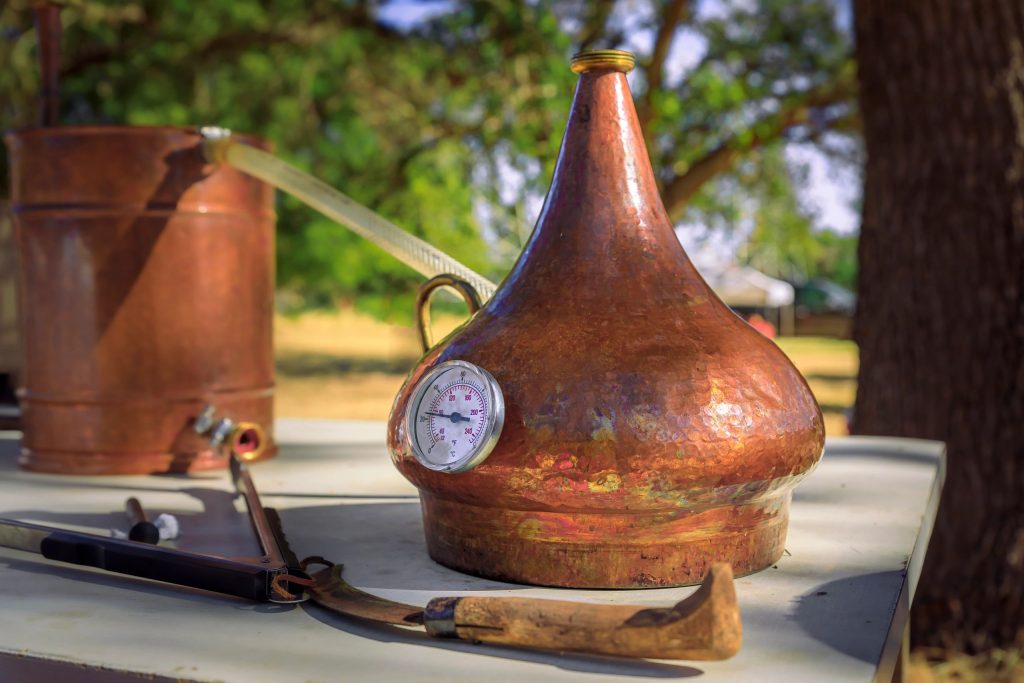
More than two centuries in one place.
The property takes shape
Merchant families and estates establish themselves along the streets of what becomes Charlotte Amalie. The buildings at 13 Wimmelskafts Gade become part of that colonial landscape.
Enslaved people live and make spirits here
The property serves as quarters for enslaved workers. The history we tell at 3 Queens includes people here fermenting and distilling homemade spirits, including rum and bush liquor.
Slavery ends in the Danish West Indies
On July 3, 1848, emancipation is declared in the Danish West Indies. The labor system that follows remains deeply restrictive and becomes the background to later unrest.
The Fireburn
Laborers on St. Croix rise against the post-emancipation labor system. Mary Thomas, Axeline Salomon and Mathilda McBean become remembered as three of the revolt's most important women.
The islands transfer to the United States
Denmark sells the Danish West Indies to the United States. The old streets and buildings remain while the islands enter a new political era.
A working distillery returns to the property
Amber and Island Mike begin restoring the old building and bringing together a distillery, museum, tropical garden, coffee roastery and small-batch food production.
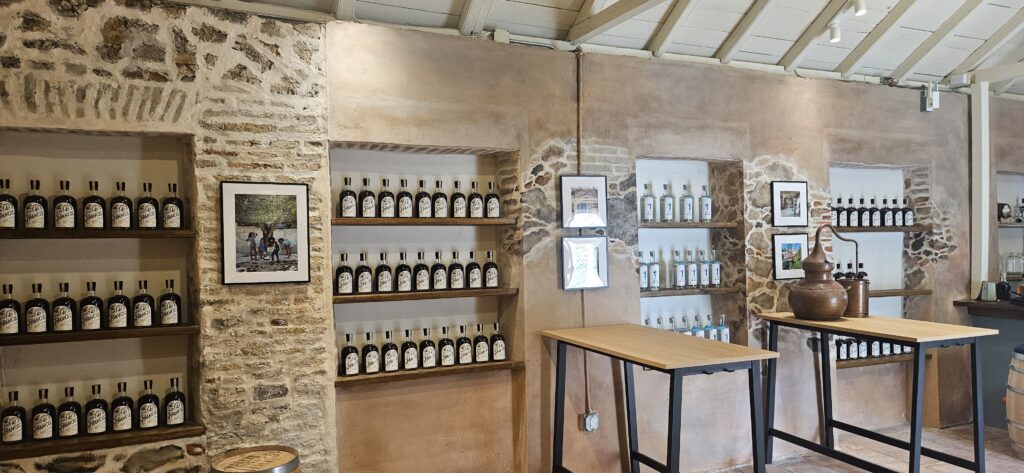
A historic site that is still being used.
We do not want the building to feel frozen behind glass. Visitors can see the production areas, taste spirits made on-site, walk through historical spaces, look at artifacts and sit in the courtyard.
The goal is to keep adding interpretation and exhibits as the restoration continues.
Visit the Property